FORWIT welcomes the adoption and objectives of the RTI Pact 2027-29
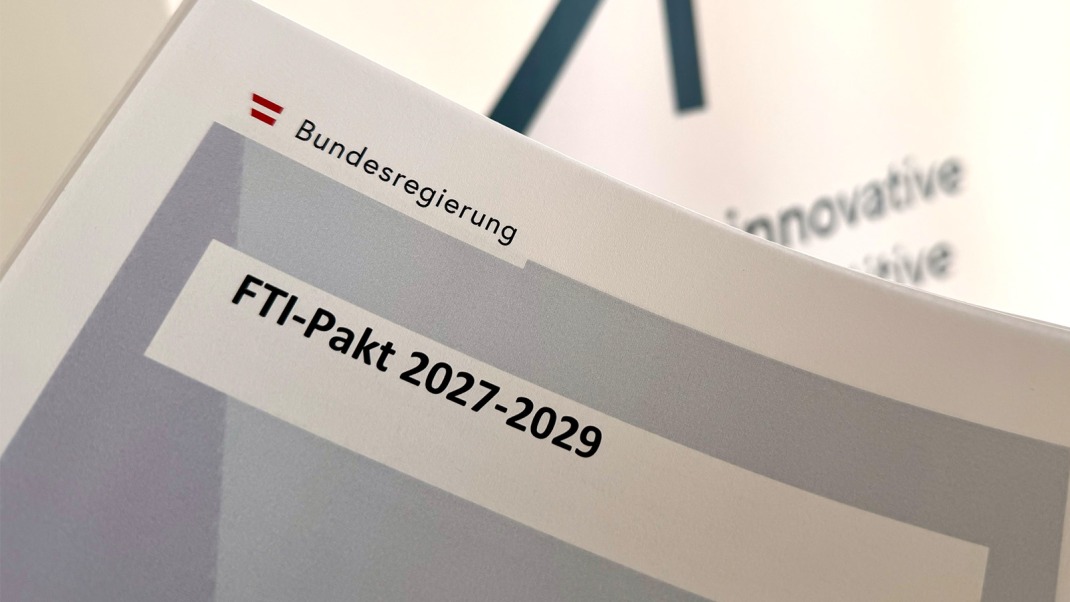
The Council for Research, Science, Innovation and Technology Development (FORWIT) welcomes the adoption of the RTI Pact for the years 2027 to 2029. The fact that it was possible to increase the funding for the Pact, despite Austria’s challenging budgetary situation, is particularly gratifying, said FORWIT Chair Thomas Henzinger. “The Council has always advocated not cutting but rather investing wisely and with foresight, especially in those areas that guarantee prosperity, security and competitiveness. We therefore expressly welcome the Federal Government’s demonstrated commitment to research, technology and innovation as key drivers of our country’s future success.”
However, FORWIT also repeatedly stresses the importance of effectively addressing the widening gap between high input and noticeably declining output. The Council’s annual STI Monitor shows that the efficiency of deployed resources has been steadily decreasing. “We regard it as an important signal that the Federal Government explicitly acknowledges this issue in the new RTI Pact and intends to reverse the trend of declining efficiency and impact. This particularly concerns, among other things, the major shortcomings in transferring research results into marketable, successful products—and thus into value creation,” explained Vice-Chair Sylvia Schwaag Serger.
Only a few weeks ago, FORWIT published an analysis identifying weaknesses in knowledge transfer within Austria’s RTI system. “These deficits can be tackled by not treating the RTI Pact in isolation, but by meaningfully and effectively linking it systemically with other strategies and measures. We therefore see it as a positive step that the forthcoming Pact is being conceived in conjunction with the industrial strategy—not least to help reduce these shortcomings,” said Schwaag Serger.
 Steven Lelham