Working Group
Analysis of the higher education system
On behalf of the Federal Government, FORWIT is conducting an analysis of the higher education system to serve as the foundation for the Higher Education Strategy 2040.
On behalf of the Federal Government, FORWIT is conducting an analysis of the higher education system to serve as the foundation for the Higher Education Strategy 2040.
The working group on the Analysis of the Higher Education System addresses the thematic focus on Austria’s higher education system set out in the 2026 work programme. In its government programme, the Federal Government plans to develop a Higher Education Strategy 2040. As a basis for this, an “Analysis of the Higher Education System” has been identified, which FORWIT is tasked with preparing. Together with the outcomes of a higher education dialogue, this analysis will serve as input for drafting the Higher Education Strategy 2040.
The analysis provides a systemic perspective on the higher education system as a whole. It serves as an input for the development of the Higher Education Strategy. The report first describes the higher education system across its four sectors, examining four key dimensions of higher education policy: organisational characteristics, funding, staff, and study organisation. The second part analyses the performance of the higher education system with regard to its three core functions—academic teaching, research, and the third mission—in comparison with other highly innovative countries. The third part outlines the main challenges that should be addressed within the framework of the Higher Education Strategy.
In addition to regular working meetings, the working group engaged in several exchanges with national experts. It also established an international Sounding Board composed of experts from abroad, with which two full-day, instructive workshops were held. Preparatory expert papers and studies were commissioned on selected topics. The working group will finalise the analytical report by April 2026. If necessary, it will continue its work after the completion of the analysis to support the subsequent higher education dialogue.
Robert-Jan Smits served as President of the Executive Board of Eindhoven University of Technology until 2025. Prior to that, he was Director-General for Research and Innovation at the European Commission, where he played a key role in shaping the EU research programmes Horizon 2020 and Horizon Europe. His main areas of expertise include research and innovation policy as well as the advancement of open access, for example through his co-development of Plan S.
Ingvild Reymert is Head of the Institute at the Oslo Business School of Oslo Metropolitan University. A political scientist specialising in higher education and research policy, she focuses on the governance and organisation of public institutions. Her research explores topics such as bibliometric indicators, trust in peer review processes, academic recruitment, and science communication.
Lino Guzzella is Professor Emeritus of Thermotronics at ETH Zurich, where he served as Rector from 2012 to 2014 and as President from 2015 to 2018. Since 2021, he has chaired the Board of Directors of Nagra, the National Cooperative for the Disposal of Radioactive Waste in Switzerland. His research focuses on the modelling, dynamic optimisation, and control of energy conversion systems to increase efficiency and reduce emissions. He gained international recognition for his development of the highly efficient PAC-Car II vehicle.
Rachel Brooks is Professor of Higher Education in the Department of Education at the University of Oxford and a Fellow of Linacre College. She also serves as President of the British Sociological Association and Co-Editor of leading journals in educational research. Her expertise lies in the sociology of higher education, particularly in the analysis of international student mobility, the internationalisation and Europeanisation of universities, and issues of access and equity in higher education.
Status
completed
Duration
12. September 2025 until 31. March 2026
Established through
Arbeitsprogramm 2025
Thomas Henzinger
Chair

Jörg Flecker
Member

Helga Nowotny
Member

Theresia Vogel
Member

Jürgen Janger
Member

Thomas König
Coordinator
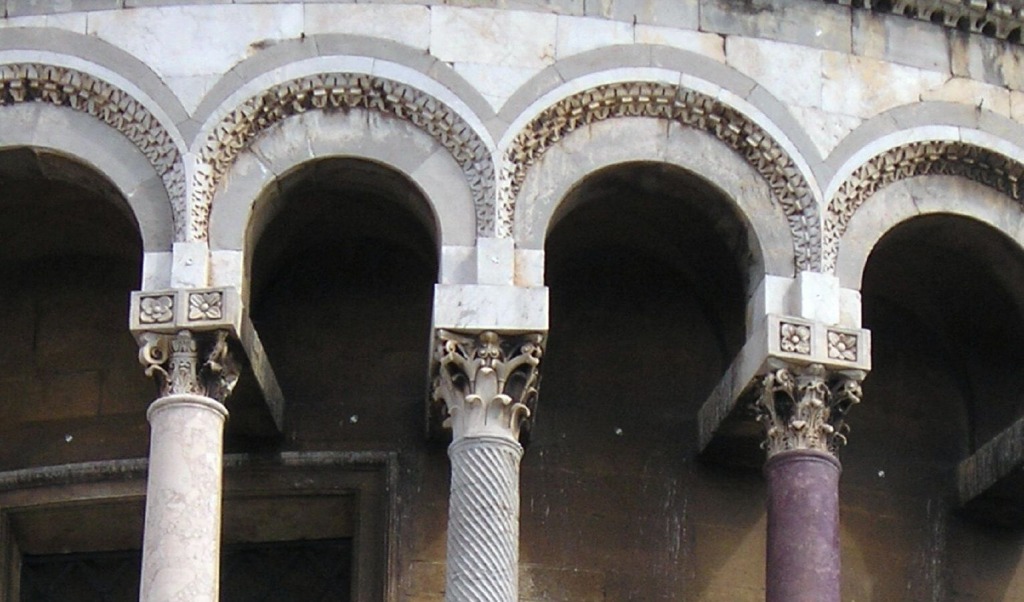
On the thematic specialisation of higher education institutions in Austria.

A brief overview of the complex regulatory framework that governs Austria’s higher education systems.
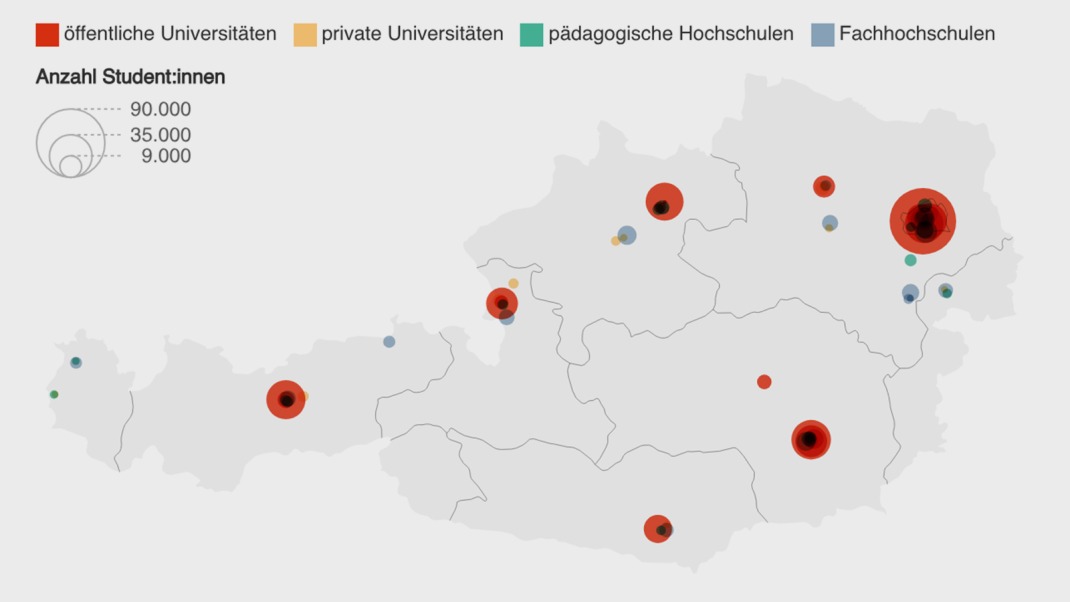
How are Austria’s 77 higher education institutions distributed geographically, how large are they and how has the higher education system developed since 1955?
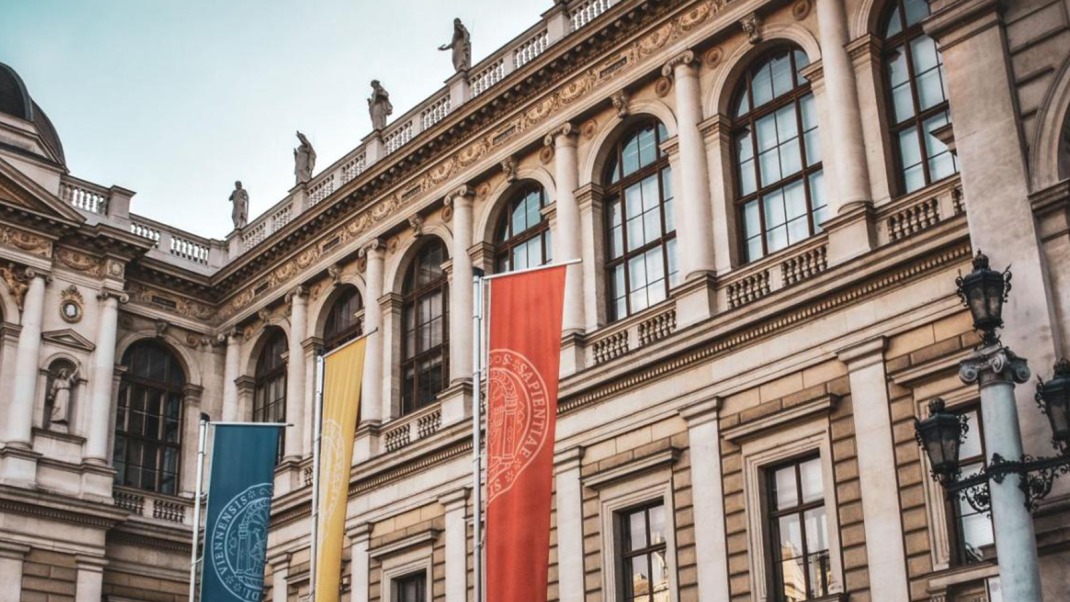
The development of the Higher Education Strategy 2040 is a favourable opportunity to review the conditions for academic freedom.
 Steve Johnson
 Science to BusinessScroll to top