Project Advisory Group
STI Monitor 2025
Comparative performance assessment of the Austrian STI system based on international STI indicators in the STI Monitor 2025.
Comparative performance assessment of the Austrian STI system based on international STI indicators in the STI Monitor 2025.
The STI Monitor provides an annual comparison of the performance of the Austrian STI system with other countries. The dashboard visualises around 250 indicators from national and international data sources (OECD, WTO, Invest Europe, Statistics Austria, etc.), clustered into areas representing the framework conditions, the core system, cross-cutting issues and impact. Among other things, the STI Monitor also offers comprehensive time series functions for all indicators.
In addition, the achievement of the RTI Strategy 2030 targets is measured and analysed in particular (where applicable, other federal government strategies are also analysed if they contain research and innovation policy components, such as the circular economy strategy). In 2025, the STI Monitor will be expanded to include the area of D.3 Competitiveness in RTI and Key Technology Sectors, and new indicators for AI will be identified.
In the course of these expansions, not only will the validity and timeliness of all indicators be reviewed, but new functionalities will also be developed to make the monitor even more intuitive to use.
Comparative performance assessment of the Austrian STI system using international STI indicators; presentation of the most important evidence-based information at a glance; written document with the most important findings of the strengths and weaknesses analysis; continued development of expertise on STI indicators at the office.
Status
completed
Duration
11. November 2024 until 31. October 2025

Johanna Pirker

Georg Kopetz

Sylvia Schwaag Serger

Philipp von Lattorff

Thomas Henzinger

Alexandra Mazak-Huemer
Project Lead
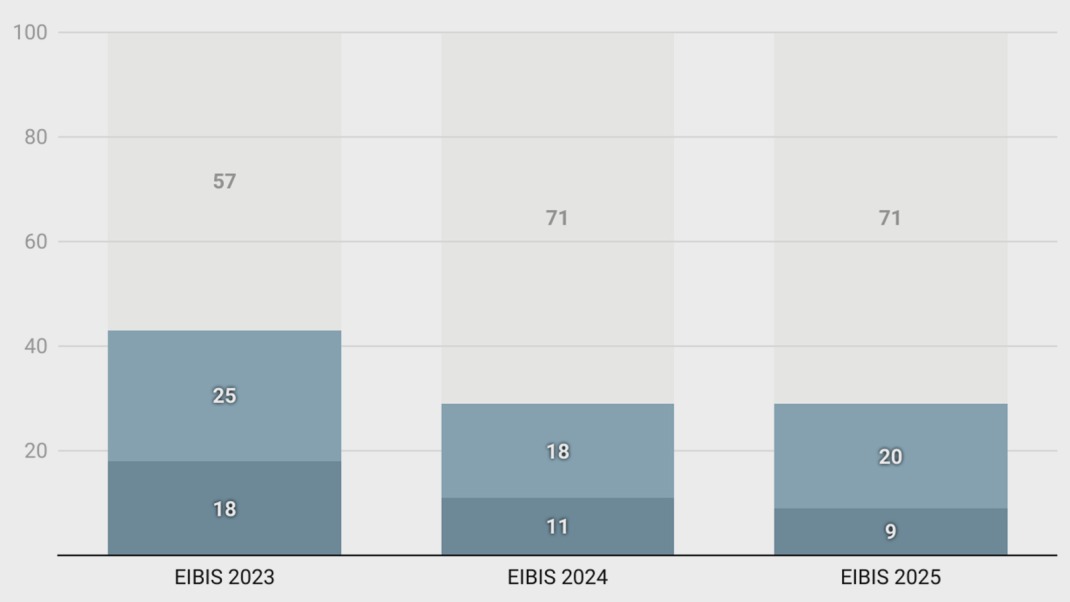
Latest EIB survey confirms 2025 STI Monitor results: innovation activities on the decline, while level of digitalisation increases.
 Mapping of advisory committees and bodiesScroll to top